Office Clearance in Addiscombe

Office clearance in Addiscombe needs to be handled with care, clear planning and a sensible approach to the items that can be reused, recycled or removed for disposal. We provide a practical service for workplaces that need desks, chairs, filing cabinets, screens, meeting-room furniture and mixed office contents cleared without unnecessary disruption. The aim is straightforward: create a tidy, workable space and keep the process organised from the first enquiry through to completion.
We handle commercial clearances for offices of different sizes, from compact suites to larger premises with multiple rooms and storage areas. That can include individual items, bulk furniture or a fuller clearance where a property needs to be handed back in a clean and orderly state. Useful segregation matters here, because not everything needs the same route. Some items can be separated for reuse, some can be directed into recycling streams, and other materials may need responsible disposal.
Our service is designed to suit everyday business needs in Addiscombe, whether you are changing layout, vacating a unit, reducing surplus stock or clearing out after a refurbishment. If you are comparing options, the simplest next step is to review the relevant service details and request a quotation. You can also keep reading to see how the main clearance work is approached and which supporting services may be relevant.
Clearance work for desks, chairs and office furniture
Office furniture is often the bulk of a clearance, and it needs a methodical approach to avoid damage, blocked corridors or confusion over what stays and what goes. Desks, shelving, storage units, reception furniture and boardroom tables can often be removed in stages, especially when the building remains in use while the work is carried out. We plan the removal so that access routes stay clear and the wider workplace can continue to function as far as possible.
In many offices, furniture removal is only one part of the task. Loose items, peripherals and assorted contents may need sorting at the same time, particularly where storage rooms or old cupboards have become heavily filled. That is why it helps to think in categories rather than treating everything as general waste. A careful clearance can support reuse and recycling decisions, while still dealing with the items that have reached the end of their practical life.
When you are ready to move ahead, see the pricing and quotes page for the best route to a quotation. For a broader overview of what we remove, the furniture clearance service explains how standalone furniture and office items are handled. If the clearance is part of a business move or decommissioning, it can also be useful to look at business waste removal for the wider commercial picture.
Planning a practical commercial clearance

Every office has its own layout, access points and item mix, so good planning matters as much as the removal itself. Before work begins, it is sensible to identify which rooms or storage areas are included, what needs to be removed, and whether any items are to be kept aside for relocation or reuse. That preparation helps avoid delays and makes it easier to work through the clearance in an orderly way.
Useful preparation is usually simple. A short inventory, a note of restricted access points and a clear view of any items that should not be disturbed can make the job smoother. If there are sensitive documents, IT equipment or items with separate handling requirements, these should be identified before removal begins. Where needed, we can work around those practicalities while keeping the main clearance focused and controlled.
For broader household-style clearances, the home clearance page is useful as a comparison point, while the house clearance page shows the type of structured removal approach that can also support mixed contents. If the job involves a smaller storage area, the garage clearance page may help to illustrate how unsorted items are dealt with in a compact space.
Office items, fixtures and adjoining spaces
An office clearance is rarely limited to desks and chairs alone. It may also involve filing systems, shelving, lockers, visitor seating, kitchen-area contents and items stored in adjoining rooms. Where the office has moved through several phases of use, those spaces can accumulate objects that are no longer part of daily operations. A sensible clearance takes all of that into account so the end result is more than just a partial tidy-up.
Some businesses prefer a staged approach, especially if they are working around staff presence, handover deadlines or refurbishment schedules. Others need a fuller clear-out, with most contents removed in one organised visit. Both approaches can be suitable, but they serve different objectives. The right choice depends on how the premises are being used and whether any items require separate checking before they leave the building.
If you need to understand how specialist items are dealt with, furniture disposal gives a clearer view of end-of-life removal, while waste removal covers more general mixed waste work. For clients with a focused project in a single room or block of rooms, the office clearance service page can be used to compare the scope against the more specific furniture and waste options.
What happens to reusable and recyclable items
Not every item removed from an office is destined for disposal. Chairs, cabinets and other commercial furniture may still be usable, while metal and mixed materials often have recycling potential once they are separated correctly. Sorting the clearance with those outcomes in mind can reduce waste and keep the process aligned with responsible handling. This is especially useful where the clearance contains a mix of well-kept furniture and worn-out equipment.
Recycling decisions are usually most effective when they are made during planning rather than after everything has already been lumped together. That is why it helps to know which items are likely to be retained, passed on, dismantled or removed as waste. Careful handling also matters around items with different finishes or components, because a single piece can contain more than one material type. Clear separation makes the overall process more orderly.
For more detail on how environmental handling is approached, recycling and sustainability explains the principles behind responsible sorting. If your office clearance includes items that are too bulky to break down on site, the furniture clearance and furniture disposal pages can help you compare those routes. The practical aim is the same: remove what is no longer needed and direct each item to the right end point.
Working around access, lifts and building rules

Commercial premises often have practical constraints that affect how a clearance is carried out. Shared entrances, narrow corridors, lift booking arrangements and building rules can all influence the sequence of work. A careful service takes those conditions into account so that removal is organised, quiet where necessary and compatible with the site’s access arrangements. That is one reason why an office clearance should be planned as a site-specific task rather than a generic lift-and-load exercise.
Where offices are located in multi-occupancy buildings, it may also be necessary to consider timing and the movement of items through common areas. Keeping access routes clear and limiting unnecessary disturbance helps the work remain efficient. It also supports a better handover if the premises need to be left ready for the next tenant, owner or facilities team. When the route out is straightforward, the clearance tends to proceed more cleanly.
For projects where the items are being removed from a business premises rather than a single office room, business waste removal is a useful supporting page. If the clearance is connected with a change of use or a full exit from the property, the about us page can provide a fuller sense of the company’s wider service range before you request a quotation.
Typical office clearance tasks and useful decisions
Office clearances can involve a wide mix of tasks, and it helps to know what usually falls within scope. The work may include dismantling straightforward furniture, removing packed storage items, clearing redundant equipment and taking away loose contents that no longer serve the workplace. In many cases, the main decision is not whether the items should go, but how best to sort them so the clearance is efficient and properly managed.
Common choices also arise around timing and sequencing. Some clients want the clearance done room by room, while others prefer a single coordinated removal once everything has been identified. Either way, it is better to be specific about the rooms involved and the items that must remain on site. That avoids accidental removal and makes it easier to complete the job without unnecessary backtracking.
- Desks, chairs and meeting-room furniture
- Cabinets, shelving and office storage
- Loose contents from drawers, cupboards and back rooms
- Mixed items awaiting recycling, reuse or disposal
About Addiscombe
Addiscombe is a district in the London Borough of Croydon, lying to the east of Croydon town centre and within the wider urban fabric of south London. Its character is shaped by suburban streets, terraced housing, local shopping parades and transport connections that link it with the rest of the borough. The area developed significantly during the nineteenth and early twentieth centuries, when residential expansion transformed farmland and estates into a settled urban neighbourhood. Traces of that growth remain in the street pattern and in the mix of domestic architecture, from Victorian and Edwardian homes to later infill development. The name is historically associated with Addiscombe Farm and the former Addiscombe Place, once a substantial estate that influenced the area’s identity long before the modern neighbourhood took shape. Today, the district sits close to Croydon’s commercial core while still retaining its own local centres and community feel. Green spaces nearby include Addiscombe Recreation Ground and other local parks, which provide open ground within a dense suburban setting. Tram and rail links have also been important to the area’s development, helping it connect with central Croydon and surrounding districts. Addiscombe’s everyday character is therefore a blend of residential continuity, practical local shopping and the layered history of an east Croydon neighbourhood that has grown and adapted over time.
Supporting services for different clearance needs

Some customers start with office clearance and then find they also need related services for storage rooms, surplus furniture or adjacent commercial spaces. That is why it is helpful to look at the supporting service pages as part of the same decision. A workplace project can involve several categories of item, and a single clearance plan may need to account for furniture, general waste and larger objects that are best removed separately. The service pages are there to make those differences easier to compare.
If you are reviewing a broader set of options, it may help to compare the more focused pages with the main office service. loft clearance is relevant where stored items are part of the job, while builders waste clearance can be useful after refurbishment work. For many commercial premises, the main issue is deciding whether the contents are best treated as furniture, mixed waste or a combination of both. That decision shapes the most efficient route.
When you have a clear picture of what needs to go, use the service information to narrow the scope and then ask for a quotation in the way that suits you best. A concise list of rooms and item types is often enough to begin. Request a quotation if you are ready to move from planning to booking.
How to prepare a quotation request
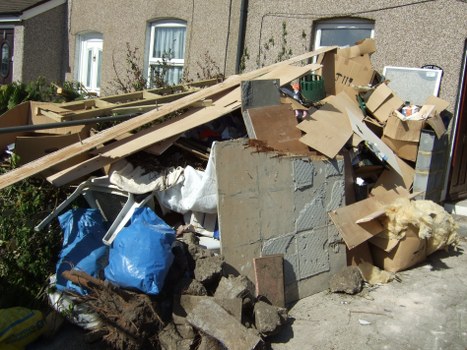
A clear quotation request is usually easier when it includes the practical facts that affect the clearance: the type of premises, the amount of furniture or contents involved, any access restrictions and whether the job needs to be completed in stages. If there are specific items that require separate handling, it is worth identifying them early. That helps the quotation match the actual work rather than relying on assumptions.
Photographs can be helpful if they show the scale of the clearance, but they are most useful when paired with a brief written description of the rooms or item groups involved. Likewise, if you know which contents are staying and which are going, a simple note can prevent confusion. The aim is not to overcomplicate the request, only to make sure the work is understood before any arrangements are made.
Ready to begin? Send over the details of your office clearance in Addiscombe and ask for a quotation today. If you are comparing supporting services as well, you can first revisit the relevant page and then contact us once you are ready to proceed.