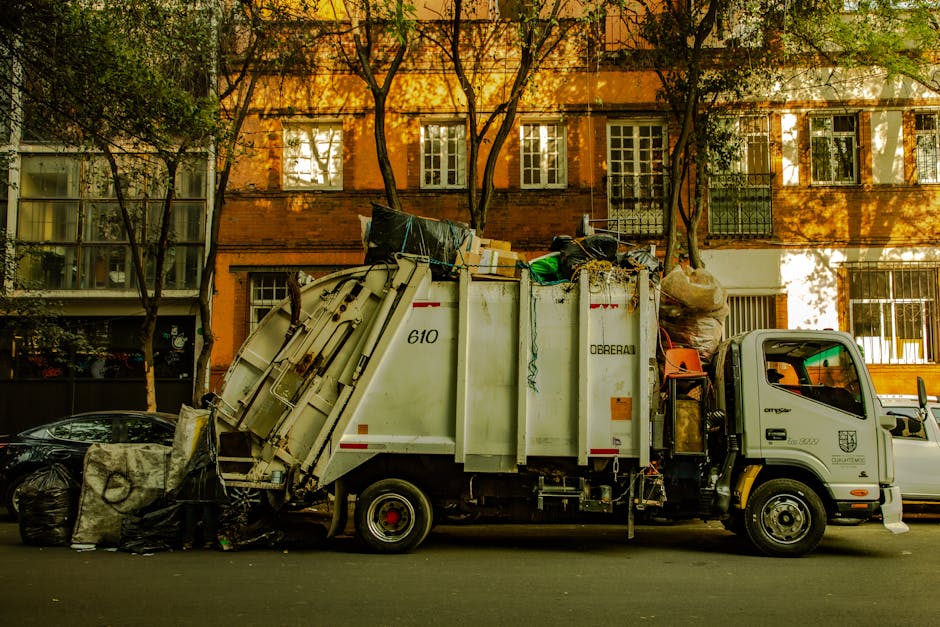
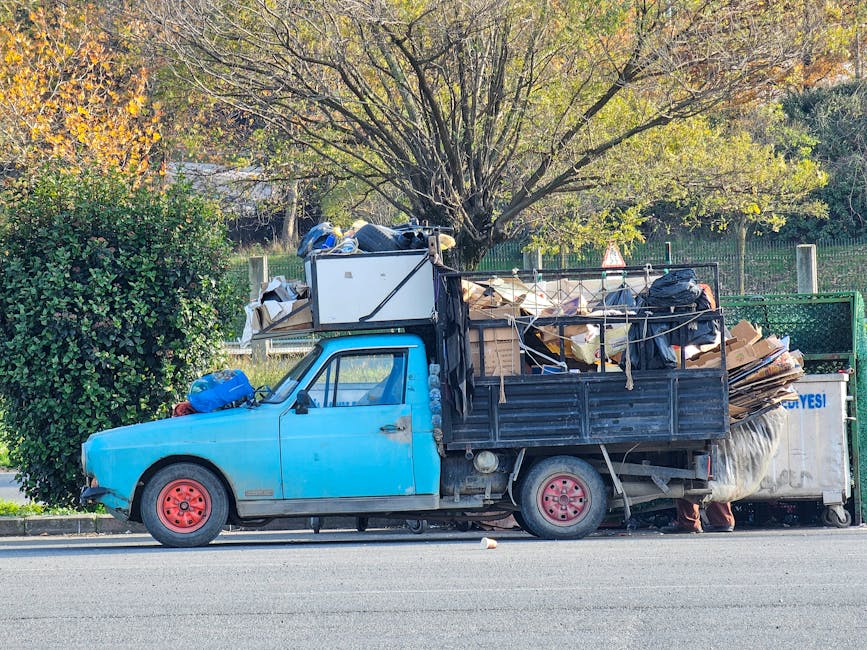
Bulky Waste Collection in Addiscombe CR0 Postcode
If you have a sofa blocking the hallway, a mattress that has outstayed its welcome, or a wardrobe that will not fit through the stairwell on the way out, you are not alone. Bulky Waste Collection in Addiscombe CR0 Postcode is one of those services people only think about when the pile starts to get in the way of daily life. The good news is that the process can be straightforward, efficient, and far less stressful than hiring a van, begging a friend with a trailer, or spending your weekend wrestling with flat-pack furniture in reverse.
This guide explains what bulky waste collection covers, how it works in practice, what to expect on the day, and how to avoid the most common mistakes. It also helps you decide whether a standard collection, a specialist clearance, or a broader waste removal service in Addiscombe makes the most sense for your property, your schedule, and your budget.
Along the way, you will find practical tips for homes, flats, landlords, and businesses in the CR0 area, plus useful next steps if you want a smoother, safer clearance with less disruption.
Expert summary: The best bulky waste collection is not just about lifting heavy items. It is about safe access, sensible sorting, responsible disposal, and choosing a service that matches the size and condition of the job.
Table of Contents
- Why Bulky Waste Collection in Addiscombe CR0 Postcode Matters
- How Bulky Waste Collection in Addiscombe CR0 Postcode Works
- Key Benefits and Practical Advantages
- Who This Is For and When It Makes Sense
- Step-by-Step Guidance
- Expert Tips for Better Results
- Common Mistakes to Avoid
- Tools, Resources and Recommendations
- Law, Compliance, Standards, or Best Practice
- Options, Methods, or Comparison Table
- Case Study or Real-World Example
- Practical Checklist
- Conclusion
- Frequently Asked Questions
Why Bulky Waste Collection in Addiscombe CR0 Postcode Matters
Bulky items create a very particular kind of problem. They are too large for normal bins, awkward to move, and often too heavy to shift safely without help. In a busy area such as Addiscombe, where homes range from flats and maisonettes to family houses, bulky waste can quickly become a practical issue rather than just an eyesore.
Left too long, old furniture, broken white goods, and renovation leftovers can block hallways, clutter shared entrances, or take up space in garages and gardens. That matters for everyday comfort, but it also matters for safety. Heavy items leaning against a wall, torn upholstery, broken glass, or sharp metal edges can all become hazards. If an item is damp or infested, the problem becomes more urgent still.
There is also a wider environmental angle. Reuse and recycling are far better outcomes than sending everything to landfill. A sensible collection service will sort items carefully and direct reusable or recyclable material to the right route. If that is important to you, it is worth looking at a provider's recycling and sustainability approach before you book.
For local residents, the real value is simplicity. You want the space cleared without damage to walls, stairwells, lifts, or pavements, and without a day of unnecessary stress. That is exactly where a planned bulky waste service earns its keep.
How Bulky Waste Collection in Addiscombe CR0 Postcode Works
Although every provider operates a little differently, most bulky waste collections follow a similar pattern. The job normally starts with a description of what you need removed: item types, approximate quantity, access details, and whether anything needs dismantling. A sofa on the ground floor is a very different job from a wardrobe on the third floor of a narrow stairwell.
Next comes a quote or estimate. Reputable providers will usually base this on the volume, weight, labour involved, and the practicality of loading. Some jobs can be priced remotely if you send photos. Others benefit from a short site visit or a more detailed conversation, especially when items are mixed with general household waste or need separating.
On the collection day, the team will typically arrive, confirm the items to be removed, and carry out the lift and load. Good operators will protect the property where needed, work carefully around shared areas, and take a sensible approach to sorting. If you are comparing services, a clear page such as pricing and quotes can help you understand how estimates are structured before you commit.
After collection, items are transported for reuse, recycling, or disposal in line with applicable waste handling practices. That final step is easy to overlook, but it is one of the most important parts of the service. The job is not complete just because the items have vanished from your hallway.
Some households also combine bulky waste with a broader clear-out, such as a home clearance or a more focused furniture clearance. That can be a sensible option if one item has become several, which happens more often than people expect.
Key Benefits and Practical Advantages
The first benefit is obvious: space. Once large, unused items are gone, rooms feel calmer and easier to use. A spare room can become a guest room again. A hallway can stop feeling like a storage corridor. Even a small flat can suddenly feel manageable.
The second benefit is safety. Moving bulky items without the right technique can cause back strain, cuts, broken banisters, and damage to floors or walls. Professional removal helps reduce those risks. This is especially useful where access is tight, there are stairs, or items need to be removed from upper floors.
The third benefit is time. A proper bulky waste collection saves you from sourcing tools, loading a vehicle, navigating disposal routes, and making repeated trips. If you have ever tried to dispose of a mattress on a wet evening after work, you will know that convenience is not a luxury. It is the whole point.
The fourth benefit is better disposal discipline. Rather than guessing where an item should go, a reputable service will separate reusable furniture, recyclable metal, and other waste streams more responsibly. For business users, this can also support better housekeeping and compliance, especially when cleared items are part of a larger business waste removal plan.
- Less clutter and easier movement through the property
- Reduced lifting risk for you and your household
- Faster turnaround than self-managed disposal
- Cleaner, more structured handling of mixed materials
- Better outcome for reusable or recyclable items
Who This Is For and When It Makes Sense
Bulky waste collection in Addiscombe CR0 is useful for a wide range of people. Homeowners often need it after replacing sofas, wardrobes, beds, or appliances. Tenants may need it at the end of a tenancy when a previous occupier has left unwanted items behind. Landlords and letting agents may need quick clearances between tenancies to prepare a property for re-marketing.
It is also a strong fit for flats and maisonettes where moving large items through communal areas can be awkward. A dedicated flat clearance service is often the smarter route in those buildings because access, parking, and neighbour consideration all matter. In a flat, a bulky item is rarely just bulky; it is also a logistics problem.
Businesses use the service too. Offices replacing old desks, reception furniture, or storage units may prefer a scheduled collection to minimise disruption. If the items are mostly office-related, a targeted office clearance can be more efficient than booking a general waste visit.
There are also situations where bulky waste forms part of a bigger clean-up. Garages accumulate broken chairs, old paint tins, boxes, and sports equipment. Lofts gather forgotten furniture and seasonal items. Gardens can become storage zones for damaged pots, timber, and outdoor furniture. In those cases, a specific service such as garage clearance, loft clearance, or garden clearance may be more practical.
Step-by-Step Guidance
If you want the collection to go smoothly, preparation matters more than most people realise. The actual lifting is only part of the job. The way you prepare the site can save time, money, and a fair amount of hassle.
- List what needs to go. Be specific. "One three-seater sofa, one bed frame, one mattress, one broken shelving unit" is much more useful than "a few bits of furniture."
- Check access. Note stairs, narrow hallways, lifts, permit zones, gated entries, and parking restrictions. Access details can affect the quote and the time needed on site.
- Separate anything you want to keep. This sounds obvious, but in a busy house people often put "keep" and "go" items too close together.
- Take photos if possible. A few clear pictures help the provider assess volume and conditions before arrival.
- Ask about dismantling. Some large items are easier to remove in sections. That should be discussed in advance.
- Clear a route. Move smaller objects, rugs, and breakables away from the path if you can do so safely.
- Confirm payment and timing. Make sure you understand the collection window and any terms before the team arrives.
For customers who prefer a structured, policy-led service, it is worth reviewing practical pages such as health and safety guidance and insurance and safety information. Those pages are a good sign that the provider thinks beyond the lift itself and considers the wider job properly.
Expert Tips for Better Results
In our experience, the best bulky waste jobs are the ones where the client gives clear information early. A couple of photos, a list of items, and a note about access can make a remarkable difference. It is the difference between a tidy, efficient visit and a slightly chaotic one where everyone is trying to guess what fits through the door.
Here are a few practical tips that genuinely help:
- Group items logically. Put all loadable waste in one area if you can do it safely.
- Flag fragile surroundings. Mention glass panels, narrow turns, or freshly painted walls.
- Be honest about weight. A bookcase full of books is not the same as an empty one.
- Ask about reuse first. Some furniture may be suitable for a second life rather than disposal.
- Combine related tasks. If you are clearing furniture, consider whether a furniture disposal service or a fuller property clearance gives better value.
Another useful habit is to think in terms of outcomes, not just removal. Do you want the room empty for decorating? Do you need a garage cleared before winter? Are you preparing for a move? The clearer the end goal, the better the plan. That sounds simple, but it makes decisions much easier.
If you are handling a mixed project, a provider's about us and contact us pages can also reveal whether they are easy to reach, transparent, and used to dealing with varied customer needs.
Common Mistakes to Avoid
People usually run into trouble in one of a few predictable ways. The first is underestimating access. A bulky item that looks simple from the pavement may be impossible to turn at the top of the stairs. Always think about the full route from room to vehicle.
The second mistake is leaving sorting until the last minute. If keep-items and clear-away items are mixed together, the job slows down and mistakes become more likely. That is especially frustrating where family members, housemates, or tenants all have different ideas about what should stay.
The third mistake is booking the wrong type of service. A single sofa collection is not the same as a full property clearance, and a garden pile is not the same as office furniture. Matching the service to the waste stream matters. If the job includes mixed household contents, a broader house clearance or home clearance may save time overall.
The fourth mistake is ignoring disposal legitimacy. Any waste handler should be able to explain how items will be processed and what happens after collection. If a price looks suspiciously low and the explanation is vague, that is a warning sign. Cheap is not cheap if it turns into a problem later.
The fifth mistake is forgetting about special items. Some objects need extra caution, whether because they are heavy, fragile, or potentially hazardous. If in doubt, ask first. A responsible provider will tell you honestly whether the item can be handled and what information they need.
Tools, Resources and Recommendations
You do not need many tools for a typical bulky waste collection, but a few simple items can make a big difference if you are preparing the space yourself. Gloves, strong bin bags, packing tape, and a marker pen are often enough for basic sorting and labelling. A torch helps in lofts and garages, and a tape measure can prevent unpleasant surprises with doorways.
If you are moving smaller items before the team arrives, a furniture dolly or sack truck can be useful, but only if the route is level and clear. Never try to force a heavy item down stairs without proper help. That is where small jobs become unnecessarily dramatic.
For administrative peace of mind, it is sensible to review:
- pricing and quote details
- terms and conditions
- privacy policy
- payment and security information
- recycling and sustainability information
Those pages help you understand how the business works, how your information is handled, and what standards you can reasonably expect. That is useful whether you are booking for a household, a landlord portfolio, or a workplace.
Law, Compliance, Standards, or Best Practice
Waste handling in the UK is not something to treat casually. While the exact obligations vary depending on the type of waste and the circumstances, the general principle is simple: waste should be handled responsibly, transported properly, and passed to legitimate disposal or recycling routes. That applies whether you are clearing one sofa or an entire property.
For customers, the practical takeaway is to choose a provider that takes compliance seriously. Look for clear communication, sensible safety practices, and evidence that items are dealt with through appropriate channels. If a company publishes its modern slavery statement, that is not directly about your sofa, of course, but it does signal a broader commitment to responsible operations and ethical business practice.
Safety also matters on site. Large items can injure both workers and residents if lifted badly or moved without planning. That is why structured risk awareness, proper equipment, and careful handling are part of best practice. In shared buildings, respecting communal access and keeping disruption low is more than courtesy; it is part of professional conduct.
Best practice also includes honesty. If a provider thinks a load is heavier than expected, more time-consuming than planned, or unsuitable for a standard collection, they should say so clearly. That is what a trustworthy service looks like in the real world.
Options, Methods, or Comparison Table
There is more than one way to deal with bulky waste, and the right choice depends on volume, access, timing, and how much work you want to do yourself. Here is a simple comparison to help you decide.
| Option | Best for | Pros | Possible drawbacks |
|---|---|---|---|
| DIY disposal | Very small loads and people with suitable transport | Can be low-cost if you already have a vehicle | Heavy lifting, time, disposal logistics, multiple trips |
| Standard bulky waste collection | Single or small numbers of large items | Quick, convenient, less lifting for you | May not suit mixed or larger clearances |
| Furniture-specific service | Sofas, beds, wardrobes, tables, chairs | Good for reusable household items | Less suitable for mixed waste streams |
| Full property clearance | Homes, flats, garages, lofts, or offices with many items | Efficient for bigger jobs and deadlined clear-outs | More planning needed; usually a larger job |
If you are mainly dealing with a sofa, mattress, or a couple of bulky pieces, a focused collection is usually enough. If the job keeps growing as you look around the room, that is often a sign you need a broader service from the start.
Case Study or Real-World Example
Consider a typical Addiscombe scenario: a resident in a first-floor flat has replaced an old bed, a wardrobe, and a two-seater sofa. The stairwell is narrow, the lift is small, and the building has shared access. A DIY attempt would probably mean borrowing a vehicle, finding helpers, and risking damage to the walls or bannister.
Instead, the resident sends photos, notes the floor level, and books a collection that includes dismantling for the wardrobe. The team arrives with the right equipment, removes the items carefully, and clears the route without disturbing neighbours more than necessary. The resident gets the room back the same day.
That is the ideal outcome: less drama, fewer trips, and no bruised knuckles. Truth be told, bulky waste should feel boring. Boring means it has been handled well.
Now imagine the same property but with extra boxes in the loft and a broken treadmill in the hallway. At that point, a more comprehensive clearance would likely be the smarter choice, because the job is no longer just about one or two items. It has become a small project.
Practical Checklist
Use this checklist before your collection day. It will save time and make the job much easier.
- List all bulky items clearly
- Take photographs where useful
- Measure awkward furniture if access is tight
- Check stairs, lifts, parking, and entry points
- Separate keep items from clear-away items
- Ask about dismantling if needed
- Confirm quote, timing, and payment method
- Move fragile objects away from the route
- Tell the provider about any special access issues
- Keep contact details handy on the day
One-line takeaway: Good preparation makes a bulky waste collection faster, safer, and usually better value.
Conclusion
Bulky waste collection in Addiscombe CR0 postcode is at its best when it solves a problem cleanly and without fuss. Whether you are clearing a single awkward item or several pieces of furniture, the right service should save you time, reduce lifting risk, and leave you with a more usable space.
The main things to get right are simple: describe the job accurately, check access, choose the right service type, and work with a provider that takes safety, disposal, and customer communication seriously. If your project involves mixed waste or a larger property clear-out, do not force it into a one-item solution when a broader service would be better.
Get a free quote today and see how much you can save.
If you are ready to take the next step, start by comparing the type of clearance you need, then reach out with a few photos and a clear description. A good provider will make the rest feel refreshingly straightforward.
Frequently Asked Questions
What counts as bulky waste in Addiscombe?
Bulky waste usually means items that are too large or awkward for normal household bins, such as sofas, beds, wardrobes, tables, mattresses, and some appliances. The exact list can vary by provider, so it is worth checking before booking.
Can I book a collection for just one large item?
Yes, many services handle single-item collections. A one-off sofa, mattress, or wardrobe is a very common request, especially in flats and smaller homes where storage is limited.
Is bulky waste collection better than hiring a skip?
It depends on the job. If you only have a few large items, a collection service is often quicker and easier. If you have a large volume of mixed waste and want to load it yourself, a skip may be more suitable.
How do I prepare for a bulky waste pickup?
Make a list of the items, check access, remove anything you want to keep, and provide photos if possible. Clear a safe route and tell the provider about stairs, lifts, parking, or tight corners.
Will the team dismantle large furniture?
Some providers can dismantle items if needed, but this should be confirmed in advance. Wardrobes, bed frames, and some shelving units often move more easily once broken down.
What happens to the items after collection?
They are typically sorted for reuse, recycling, or disposal depending on condition and material. Responsible handling is one of the main reasons people choose a professional service.
Can bulky waste be collected from a flat?
Yes, and this is very common. The main considerations are access, shared stairwells, lifts, parking, and whether neighbours need to be kept informed if the building has restrictions.
Is bulky waste collection suitable for landlords or letting agents?
Absolutely. It is often used between tenancies, after move-outs, or when tenants leave unwanted furniture behind. A quick turnaround can help get a property back on the market faster.
How do I know if I need furniture clearance instead?
If the items are mainly chairs, sofas, tables, beds, cabinets, or similar household pieces, a furniture-specific service may be the better fit. It is especially helpful when the load is mostly usable furniture rather than mixed rubbish.
Do I need to separate recyclable items before collection?
It helps, but it is not always essential. Some providers will sort items themselves. If you want the best environmental outcome, grouping similar materials together can make the process easier.
What should I ask before I book?
Ask what is included in the quote, whether dismantling is available, how access affects the price, what payment methods are accepted, and how the waste will be handled after collection.
Can bulky waste be part of a larger clearance?
Yes. In fact, that is often the smartest choice if the job has expanded beyond one or two items. A broader service can cover furniture, loft items, garage clutter, or a whole property in one visit.
Helpful next step: If you are comparing options, look at the exact item list, access conditions, and whether you need a focused pickup or a wider clearance. That one decision usually determines how smooth the day will be.