Mouldy Rubbish & Biohazard Cleanup for Addiscombe Flats
If you are dealing with mouldy rubbish, a bad smell in the hallway, or a room that has crossed from "messy" into "this is not safe", you are not overreacting. In a flat, especially in a shared block, that kind of waste can spread quickly: spores in the air, pests in the corners, damp patch by the skirting, the whole lot. Mouldy rubbish & biohazard cleanup for Addiscombe flats is about removing the source safely, protecting neighbours, and getting the space back to a condition where people can breathe properly again.
This guide walks through what the work involves, why it matters, how the cleanup is usually handled, and what to look for if you want a reliable, no-nonsense service. It is written for real people dealing with a real problem - maybe after a tenancy turnover, a flood, an illness, or just a flat that has been left too long. To be fair, these situations rarely arrive with any warning.
Whether you manage a property, live in the flat yourself, or you are helping a relative sort things out, the key thing is this: don't treat contaminated rubbish like ordinary clutter. The wrong approach can make a small problem bigger. Much bigger.
- Why it matters
- How the cleanup works
- Benefits and practical advantages
- Who needs this service
- Step-by-step guidance
- Expert tips
- Common mistakes to avoid
- Tools, resources and recommendations
- Law, compliance and best practice
- Options and comparison table
- Real-world example
- Practical checklist
- Conclusion
- Frequently asked questions
Why Mouldy Rubbish & Biohazard Cleanup for Addiscombe Flats Matters
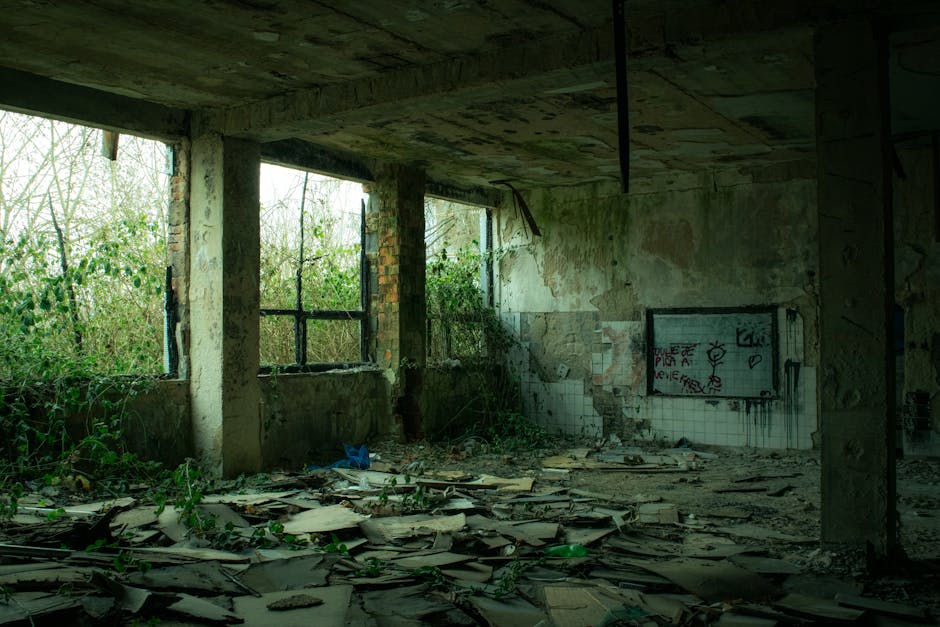
Mouldy rubbish is more than an eyesore. Once food waste, wet cardboard, textiles, soft furnishings, or forgotten bags of household waste start to break down, you can end up with mould growth, bacterial contamination, insects, and lingering odours that are hard to shift. In a flat, those issues are contained by walls and corridors, which sounds helpful until you realise the air itself can carry the problem through doors, vents, and shared spaces.
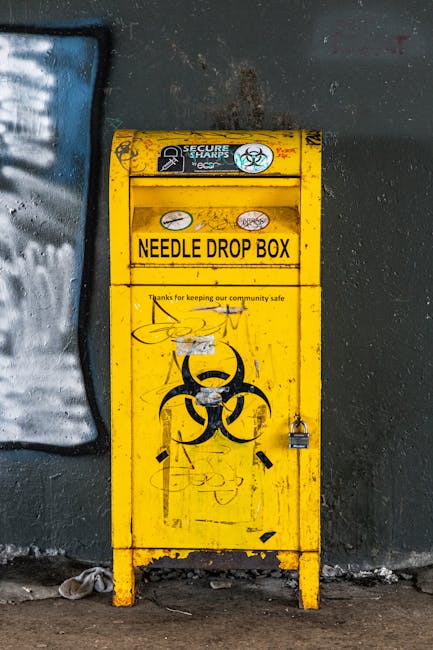
Biohazard cleanup matters because some waste carries a genuine health risk. That might include bodily fluids, vomit, sharps, animal waste, severe decomposition, or contaminated items after a tenant incident. It is not about drama. It is about recognising that certain materials need careful handling, proper containment, and a methodical clean-up process.
There is also a neighbour factor. In Addiscombe flats, people often live close together, with shared stairwells, lift lobbies, bin areas, and narrow access routes. If rubbish is left to rot or is dragged through communal areas without care, everyone gets affected. The smell travels. The flies arrive. Someone notices, then someone complains. It is never just one flat for long.
Key point: the goal is not simply to throw things away. The goal is to remove contamination, reduce risk, and leave the space safe enough for the next stage, whether that is repair, re-letting, or returning home.
If the situation is part of a wider clear-out, services like flat clearance or home clearance can also help once the hazardous items have been dealt with properly.
How Mouldy Rubbish & Biohazard Cleanup for Addiscombe Flats Works
A proper cleanup is usually more controlled than people expect. There is a sequence to it. You do not just turn up, load the van, and hope for the best. That would be the wrong way round, frankly.
The process usually starts with identifying the type of contamination. Mouldy general waste is different from bodily-fluid contamination, which is different again from a flat with pests or blackened, waterlogged rubbish. The level of risk determines what protective equipment, containment methods, and waste handling steps are needed.
Next comes the practical assessment. The team looks at access, lift use, stair width, parking, the likely route out of the building, and whether neighbouring residents need extra care during the removal. In a block of flats, that logistics piece matters a lot. One awkward turn in a stairwell can slow everything down, and a wet, mouldy bag ripped open on carpet is the sort of thing everyone remembers for the wrong reasons.
From there, the rubbish is separated, bagged, and removed in a way that limits spreading spores or contaminants. Non-porous surfaces may be wiped and disinfected. Severely affected soft items may need to be removed rather than "cleaned" in any meaningful sense. That sounds blunt, but sometimes a sofa, mattress, or rug is simply beyond saving.
Finally, the area is checked for residual contamination, smells, damp, and any items left behind that could re-trigger the issue. In some flats, especially older ones, there may also be a moisture problem that needs dealing with separately. If not, the mould comes right back. Quietly. Then with attitude.
For occupants or landlords who also need ancillary clearance after an incident, services such as furniture disposal and waste removal can be useful once anything contaminated has been identified and separated.
Key Benefits and Practical Advantages
The obvious benefit is safety, but there are several practical advantages too. In a flat, time matters. Odours build quickly. Lift lobbies become a problem. Other residents start to notice before you have even finished deciding what to do. A swift, structured cleanup reduces all of that.
- Lower health risk: fewer spores, less bacterial spread, and reduced exposure to contaminated items.
- Better neighbour relations: less smell, less disruption, and fewer communal-area complaints.
- Faster recovery: the flat can move on to cleaning, repairs, or reoccupation sooner.
- Less stress: the job is taken off your shoulders, which matters more than people admit.
- Proper disposal: contaminated waste is handled more carefully than ordinary household rubbish.
There is also a mental benefit. These jobs can be emotionally heavy. A neglected flat, a bereavement, a hoarding situation, or an illness-related incident can make even a simple room feel overwhelming. Having the mess removed in a controlled way brings a real sense of relief. You can almost feel the place exhale.
If the wider property needs attention too, a service like house clearance or loft clearance may help once the hazardous material has been dealt with safely.
Who This Is For and When It Makes Sense
This kind of service is not only for dramatic, extreme cases. Truth be told, many jobs are smaller than people imagine but still need a careful hand.
You may need mouldy rubbish & biohazard cleanup if you are:
- a landlord preparing a flat after a difficult tenancy
- a letting agent arranging a turnaround between occupants
- a resident dealing with a water leak, condensation build-up, or damp bins
- a family member sorting a property after a prolonged absence
- a property manager handling contamination in a shared building
- someone facing a sensitive incident involving bodily fluids or decay
It makes sense when ordinary waste removal is no longer enough. For example, if bags have been sitting in a flat for weeks and the contents are wet, mouldy, and infested with flies, that is no longer just rubbish. Or if there has been vomiting, blood, or another bodily-fluid incident, you need a much more careful approach than a quick tidy-up.
One small but important point: if you are unsure whether the waste is truly hazardous, err on the side of caution. It is better to treat it as contaminated than to assume it is harmless and spread the problem around the building.
Step-by-Step Guidance
Here is the clearest way to think about the job from start to finish. Not glamorous, but useful.
- Stop the spread. Keep people away from the area if possible. Close doors. Reduce movement through the flat.
- Identify the waste. Separate obviously contaminated items from ordinary clutter. Do not mix everything together if you can avoid it.
- Assess access and risks. Check whether there are sharps, broken glass, fluids, pests, or heavy items that need special handling.
- Use protective gear. Gloves, masks, disposable coveralls, and suitable footwear may be needed depending on the contamination.
- Bag and contain carefully. Seal waste securely so it does not drip, tear, or release spores as it is moved.
- Remove in stages. Large items first, then bags, then small contaminated remnants and surface debris.
- Clean and disinfect. Wipe hard surfaces, treat affected areas, and deal with odours where possible.
- Check the cause. If damp, leaks, poor ventilation, or hidden rubbish remains, the issue may return.
If the flat contains bulky contamination alongside ordinary items, it may also overlap with furniture clearance once non-hazardous pieces are separated from the contaminated waste stream.
Practical note: if a room smells worse after it has been disturbed, that does not necessarily mean the cleanup failed. Sometimes opening sealed rubbish releases trapped odour briefly. The key is whether the source is actually removed.
Expert Tips for Better Results
There are a few small decisions that make a big difference.
First, don't over-handle contaminated items. Every extra lift, fold, or shuffle can spread particles. If an item is clearly beyond saving, let it go. Sentiment has its place, but not in a mouldy bin bag.
Second, work from clean to dirty where possible. That keeps contamination from moving into less affected rooms. In a flat, this is especially useful because hallways are narrow and you do not want to turn the entire place into one big transfer zone.
Third, think about airflow. Good ventilation helps during and after the work, but don't create a draught that blows spores or dust everywhere. Gentle, controlled airflow is better than flinging windows open and hoping for magic.
Fourth, deal with the source of damp. Mouldy rubbish often points to a moisture problem: leak, condensation, blocked vent, leaking appliance, or water ingress. If the source stays, the symptoms return. Repeatedly. Annoyingly.
Fifth, keep records if you manage property. A brief note of what was removed, what was contaminated, and what was cleaned can help if later questions come up. Nothing fancy, just sensible documentation.
If you run a small portfolio or mixed-use building, it can help to connect the issue to wider business waste removal procedures so the response is consistent across the building.
Common Mistakes to Avoid
This is where people accidentally make things worse. It happens fast.
- Treating mouldy rubbish like standard waste. A leaking, mouldy bag is not the same as household clutter.
- Using the wrong bags or containers. Thin bags split, and split bags create a second problem on the stairs or in the lift.
- Trying to save everything. Some items should be disposed of. Trying to rescue them is often false economy.
- Cleaning before removing waste. You can wipe a surface all day, but if the source is still there, the smell and contamination remain.
- Forgetting the building route. Shared corridors, foyer flooring, and lift buttons can all be affected if handling is careless.
- Ignoring hidden damp. This one is sneaky. You clear the rubbish, feel relieved, and two weeks later the mould is back in the same corner.
Another mistake is waiting too long because the situation feels embarrassing. Let's face it, these jobs are not pleasant to talk about. But delay usually makes the cleanup bigger, not smaller.
Tools, Resources and Recommendations
You do not need to know every industry tool name to make a sensible decision, but it helps to understand the basics. For mouldy rubbish and biohazard work, a competent team will usually rely on:
- sealed sacks or lined containers for contaminated waste
- gloves, masks, and disposable protective clothing
- disinfectant suitable for hard surfaces
- spill control materials where fluids are involved
- basic hand tools for safe dismantling and lifting
- transport arrangements that keep contaminated material separate
For homeowners and landlords, the best "resource" is often good judgment. If an item is wet, smells foul, shows visible mould, or has been in contact with bodily fluids, do not casually mix it with everyday rubbish. Separate it, contain it, and decide whether it should be removed professionally.
It can also help to review related property-clearance options if the issue has spread beyond one room. For example, flat clearance is often the right next step after the contaminated material has been isolated, while recycling and sustainability thinking becomes relevant for non-contaminated items that can be diverted responsibly.
Expert summary: the safest approach is usually simple: isolate the source, remove contaminated materials carefully, clean the area properly, and then check why the problem happened in the first place. If one of those steps is skipped, the job rarely stays solved.
Law, Compliance, Standards, or Best Practice
Biohazard and contaminated waste handling in the UK is an area where caution matters more than bravado. You do not need to quote legislation at the kitchen table to know that hazardous or offensive waste should be handled with care, suitable protective measures, and proper disposal routes. In practice, that means using a competent operator, avoiding unsafe DIY handling, and making sure waste does not end up mixed into ordinary household refuse if it should not be there.
For flats, best practice usually includes protecting communal areas, managing access properly, and keeping the work contained. If the contamination is substantial, or if sharps, bodily fluids, or severe decomposition are involved, specialist handling is the sensible path. That is not overkill. That is common sense.
Landlords, managing agents, and occupiers also have a basic duty to avoid exposing others to risk. In shared buildings, a poor response can affect neighbours, contractors, cleaners, and even the building fabric if moisture is left untreated. Compliance is not only about paperwork. It is about doing the job in a way that does not create a second incident.
It is also wise to check your provider's health and safety policy and insurance and safety information before work begins. Those pages are a good sign that safety is taken seriously rather than treated as a quick sales line.
Options, Methods, or Comparison Table
Different situations call for different levels of response. A minor mouldy bin area and a heavily contaminated flat are not the same job, even if both smell like a bad idea on a warm day.
| Approach | Best for | Pros | Limitations |
|---|---|---|---|
| DIY tidy-up | Very small, low-risk waste issues | Fast, low cost, simple for dry non-hazardous items | Poor choice for mould, fluids, sharps, or strong odours |
| General waste clearance | Non-contaminated clutter and bulky rubbish | Efficient for ordinary removal, straightforward planning | Not suitable for contaminated or unsafe materials |
| Specialist mouldy rubbish cleanup | Wet, mouldy, odorous, or pest-affected flat contents | Safer handling, better containment, more controlled disposal | May involve more preparation and careful sorting |
| Biohazard cleanup | Bodily fluids, sharps, decomposition, or serious contamination | Highest level of caution and process control | Needs the right expertise and may take longer |
The main decision is usually simple: if there is any real contamination risk, do not downgrade the job just because it is inconvenient. A quicker, cheaper approach is only good if it is also safe.
Case Study or Real-World Example
Here is a realistic example based on the kind of situation people in flats often face.
A tenant had left a one-bedroom flat after a period of illness and poor ventilation. By the time the property was checked, several black bags in the kitchen had gone soft at the base, a cardboard box had collapsed under damp waste, and there was a persistent sweet-sour smell in the hallway. Nothing theatrical. Just a quiet, creeping mess that had gone too far.
The first priority was to keep the corridor clear so neighbours were not walking through the contamination. The worst bags were removed first, then the affected soft furnishings and broken items. Hard surfaces were wiped and disinfected, and the room was checked for a leak behind a kitchen unit. There it was: a small but steady moisture source that had been feeding the problem.
After the contaminated rubbish was taken away, the flat still needed airing, minor repairs, and a follow-up clean. But the important part was that the source had been removed properly, and the building itself was no longer exposed to the same risk. The difference in the room was immediate. The air felt lighter. The place stopped fighting back.
That is usually what good cleanup feels like - not dramatic, just quietly corrective.
Practical Checklist
Use this checklist before, during, or after arranging a cleanup.
- Identify whether the rubbish is mouldy, wet, odorous, or contaminated
- Keep people out of the affected area where possible
- Do not mix contaminated waste with ordinary rubbish
- Check for sharps, fluids, pests, broken glass, or collapse risk
- Consider access through stairs, lifts, and communal areas
- Separate salvageable items from items that should be disposed of
- Make sure hard surfaces are cleaned after removal
- Check for damp, leaks, or ventilation issues that caused the problem
- Use a provider that is transparent about safety and disposal practices
- Confirm what happens to items that cannot be cleaned or reused
If the flat has multiple areas affected, it may be worth reviewing other services too, such as garage clearance for storage overflow or furniture disposal for damaged items that are no longer fit to keep.
Conclusion
Mouldy rubbish & biohazard cleanup for Addiscombe flats is not just a tidy-up job. It is a careful response to a health, safety, and sometimes emotional issue that needs to be handled properly. The best outcomes come from acting early, separating contaminated waste from ordinary rubbish, and dealing with both the visible mess and the hidden cause behind it.
If you are managing a flat in Addiscombe, the smartest move is usually to get the dangerous part dealt with first and then plan the rest of the clearance around that. That keeps the work contained, reduces disruption to neighbours, and gives you a clean starting point for whatever comes next.
Get a free quote today and see how much you can save.
And if you are still weighing up the next step, take it one calm decision at a time. These situations feel heavy while they are in front of you, but they do get sorted. They really do.
Frequently Asked Questions
What counts as mouldy rubbish in a flat?
Mouldy rubbish is any waste that has become damp, musty, visibly mouldy, or contaminated by leaks, condensation, or decay. That can include bags of household rubbish, old food packaging, textiles, cardboard, and soft furnishings.
Is mouldy rubbish the same as biohazard waste?
Not always. Mouldy rubbish is often contaminated waste, but biohazard waste usually refers to material with a higher health risk, such as bodily fluids, sharps, or severe decomposition. Some jobs may involve both.
Can I remove mouldy rubbish myself?
For small, dry, low-risk items, maybe. But if the waste is wet, heavily mouldy, smelly, pest-affected, or contaminated with fluids, DIY removal is usually a bad idea. The risk of spreading the problem is higher than people expect.
How quickly should mouldy waste be removed?
As soon as practical. The longer it stays in a flat, the worse the smell, spread, and contamination can become. In shared buildings, delay also increases the chance of complaints from neighbours.
What happens to items that cannot be cleaned?
Items that are porous, heavily contaminated, or structurally damaged are often removed for disposal rather than cleaned. Think mattresses, soaked carpets, ruined cardboard, or soft furnishings that have absorbed contamination.
Do biohazard cleanups always need special equipment?
Yes, in the sense that appropriate protective gear and containment methods are needed for the level of risk. The exact equipment depends on the contamination, but gloves, masks, and disposable protection are common in more serious jobs.
Will the smell disappear straight away?
Sometimes, but not always immediately. Once the source is removed and the area is cleaned properly, the odour should improve. If there is hidden damp or residue, some smell may linger until that is addressed too.
How do I know if a flat needs specialist cleanup rather than general clearance?
If you see mould growth, fluid staining, sharps, decay, pests, or strong persistent odour, specialist cleanup is usually the safer option. Ordinary clearance is better suited to clean, non-contaminated clutter.
Is this service suitable for landlords and letting agents?
Yes. In fact, landlords and agents often need it after difficult tenancies, leaks, or abandoned properties. It helps restore the flat safely before repair, redecoration, or re-letting.
What should I ask before booking a provider?
Ask how they handle contaminated waste, what protective measures they use, how they manage access in a block of flats, and whether they can separate hazardous items from ordinary clearance. You want clear answers, not vague reassurance.
Can mouldy rubbish affect neighbouring flats?
Yes. Odours, spores, pests, and moisture issues can move through shared hallways, vents, and walls. That is one reason fast and careful removal matters so much in flats.
What if the problem keeps coming back?
That usually means the source of damp has not been fixed, or hidden contamination is still present. A proper cleanup should include checking for leaks, ventilation problems, or waste left behind in hidden spots.
For more about the team behind the service, you can also review the about us page, and if you are ready to arrange help, use the contact us page when it suits you best.