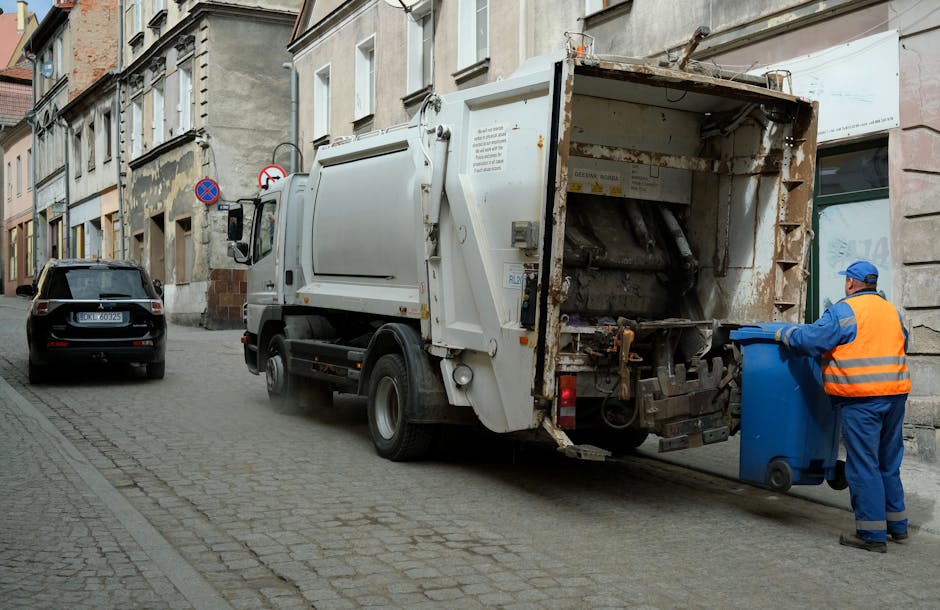
Fast Rubbish Removal on Lower Addiscombe Road
If you need clutter gone quickly, Fast Rubbish Removal on Lower Addiscombe Road is usually about more than speed. It is about getting a space usable again without stress, delay, or a trail of bags left in the hallway. That might mean a single bulky item, a full flat clearance, post-renovation debris, or a last-minute pile-up that has turned into a problem. The right service gives you a clear plan, an efficient collection window, and the reassurance that the waste is handled properly.
Lower Addiscombe Road sees the same daily realities as any busy London street: limited parking, tight access, shared entrances, and households or businesses that simply do not have time to self-load a van. In those situations, a fast, well-organised clearance service is not a luxury. It is the practical solution.
This guide explains how fast rubbish collection works, what it is useful for, what to watch out for, and how to choose the right approach. It also points you towards relevant service information such as general waste removal, furniture disposal, and builders waste clearance if your job is more specialised.
Table of Contents
- Why Fast Rubbish Removal on Lower Addiscombe Road Matters
- How Fast Rubbish Removal on Lower Addiscombe Road Works
- Key Benefits and Practical Advantages
- Who This Is For and When It Makes Sense
- Step-by-Step Guidance
- Expert Tips for Better Results
- Common Mistakes to Avoid
- Tools, Resources and Recommendations
- Law, Compliance, Standards, or Best Practice
- Options, Methods, or Comparison Table
- Case Study or Real-World Example
- Practical Checklist
- Conclusion
- Frequently Asked Questions
Why Fast Rubbish Removal on Lower Addiscombe Road Matters
Speed matters because waste has a habit of becoming a bigger issue the longer it stays put. A couple of broken wardrobes can block a landing. Garden cuttings can become unsightly and awkward to store. Builder's rubble can slow down a project. In a flat, one missed collection can feel like it has taken over the room.
On Lower Addiscombe Road, the practical challenge is often access. If a property faces a busy pavement, has no driveway, or sits within a terrace or maisonette, even a modest amount of waste can be difficult to remove on your own. Fast removal reduces the number of trips, the time spent handling waste, and the risk of dragging mess through the property.
There is also a wellbeing angle. A cluttered space can make a home feel smaller, a shop less professional, and a renovation site less manageable. Truth be told, people often wait too long. By the time they call for help, the waste is no longer just inconvenient; it is blocking movement, slowing work, or creating safety concerns.
For local residents and business owners, quick turnaround is especially helpful when you are dealing with:
- End-of-tenancy deadlines
- Urgent landlord or letting-agent instructions
- Office clearouts before a move
- Fly-tipped or dumped items outside a property
- Post-refurbishment debris
- Garage, loft, or garden spaces that need to be cleared fast
Fast response is valuable, but only when it is paired with proper handling, clear pricing, and responsible disposal. That balance is what separates a useful clearance service from a rushed one.
How Fast Rubbish Removal on Lower Addiscombe Road Works
In most cases, quick rubbish clearance follows a simple workflow. The best providers keep it efficient without making it feel rushed. You should still know what happens at each stage so you can prepare properly and avoid surprises.
1. Initial enquiry
You describe the waste, access, location, and urgency. A good provider will want to know whether the job involves loose rubbish, bulky items, mixed waste, office contents, garden waste, or builder's materials. If you need a more tailored service, pages such as house clearance or office clearance may be more relevant than a general collection.
2. Estimate or quote
Depending on the job, you may receive a rough estimate from photos or a more detailed quote after a visit. This is where transparency matters. If the waste is hidden in a loft, garden shed, or basement, be clear about that from the start. A firm quote is usually easier to trust than a low headline figure that rises later.
3. Arrival and assessment
On arrival, the team will usually confirm the load, check access, and make any sensible adjustments. If parking is tight or the waste is spread across several rooms, that affects the time and method needed. You can help by clearing a path and separating anything that should not be touched.
4. Loading and removal
The crew loads items quickly but safely, aiming to minimise disruption. For heavier items, the right lifting technique and equipment matter. This is not the moment for heroic DIY; backs are useful, but only when you keep them in working order.
5. Sorting and disposal
Responsible waste carriers should sort reusable materials, recyclables, and general waste where possible. If you want to understand more about disposal routes and environmental handling, their recycling and sustainability approach is worth reviewing.
6. Completion and confirmation
Once everything is loaded, the job should be complete with the area left tidy. For many customers, that final clean finish is where the service feels genuinely worth it. The room looks like a room again. Simple, but satisfying.
Key Benefits and Practical Advantages
Fast rubbish removal offers more than convenience. It solves real operational problems for homes, landlords, traders, and local businesses.
| Benefit | What it means in practice | Why it matters locally |
|---|---|---|
| Speed | Waste is collected and cleared without lengthy delays | Useful when access, parking, or deadlines are tight |
| Less manual work | You avoid multiple trips to a tip or recycling facility | Helpful when items are bulky or the waste is heavy |
| Safer spaces | Trips, slips, and blocked walkways are reduced | Important in shared homes, stairwells, and commercial premises |
| Better presentation | Properties look cleaner and more usable quickly | Especially useful for lettings, sales, and client-facing businesses |
| Flexible load sizes | Services can handle anything from one item to a full clearance | Practical when needs change at short notice |
One of the biggest advantages is flexibility. Not everyone needs a lorry full of removal men. Sometimes you just need a sofa gone today. Other times you need a full flat clearance or a home clearance completed before an inspection. Fast rubbish removal can adapt to both ends of that scale.
Another benefit is stress reduction. Having a clear date and a clear outcome helps people move on with whatever comes next: decorating, moving, reopening, or simply breathing easier in the space. That sounds small until you are the one living among the bags and boxes.
Who This Is For and When It Makes Sense
This kind of service suits a wide range of people, and not only in emergency situations. In fact, the best time to arrange fast removal is often before the mess becomes unmanageable.
Homeowners and tenants
If you are clearing old furniture, broken appliances, loft clutter, or accumulated household waste, quick collection saves time and avoids turning the job into a weekend project that never quite ends.
Landlords and letting agents
Fast clearance is useful between tenancies, after a move-out, or when a property needs to be reset quickly for viewings or maintenance. For heavier household jobs, house clearance is often the better fit.
Tradespeople and renovators
Builders, decorators, and fit-out teams often need waste removed while a job is underway, not days later. For that scenario, builders waste clearance keeps the site safer and reduces clutter.
Local businesses
Shops, offices, and small commercial premises may need an urgent clearout of packaging, old stock, shelving, filing, or redundant equipment. In those cases, business waste removal or office clearance can be more appropriate than a basic rubbish pick-up.
Garden and garage users
Garages and gardens fill up quietly. A few old tools, a broken bench, some branches, and a bag of mixed waste can suddenly become a pile that no longer fits your plans. If that sounds familiar, garage clearance and garden clearance are often the easiest route.
So when does it make sense to book fast? Usually when the waste is causing delay, creating risk, or taking up space you need now. If none of those apply, you may have more time to compare options. If they do apply, waiting is rarely the smartest move.
Step-by-Step Guidance
If you want the process to run smoothly, a bit of preparation pays off. You do not need to overthink it, but you should be organised enough to make the job efficient.
- Identify exactly what needs removing. Separate general rubbish, furniture, electrical items, garden waste, and builders debris where possible.
- Take a few clear photos. This helps with quoting and avoids misunderstandings later.
- Check access. Note stairs, narrow hallways, parking restrictions, locks, or any shared entrance issues.
- Decide what stays. Label items you want kept if the space is being cleared quickly.
- Ask about disposal handling. Reputable services should explain how they deal with different waste streams.
- Confirm timing. If you have a move, inspection, or contractor arriving soon after, build in a little margin.
- Prepare the area. Clear a path where possible so lifting and loading are faster and safer.
If you are dealing with furniture specifically, you may benefit from a dedicated service such as furniture clearance. That can be especially useful for wardrobes, tables, beds, and office furniture that are awkward to move through a property.
For small jobs, the preparation may take only ten minutes. For larger ones, it can save an hour or more. Either way, it makes the removal more predictable and usually helps the quote stay closer to the real work involved.
Expert Tips for Better Results
There are a few simple habits that make fast rubbish removal easier, cheaper, and less stressful. These are the kind of practical details people often overlook until the day of the job.
- Group similar items together. Mixed piles slow things down because they need more sorting.
- Be honest about volume. Understating the amount of waste usually causes frustration later.
- Flag difficult access early. A rear alley, top-floor flat, or tight stairwell changes the job materially.
- Keep anything valuable out of the clearance zone. Items can be easy to misidentify when a room is half-packed.
- Ask how reusable materials are handled. Many people prefer this, especially when the waste includes furniture or metal items.
- Choose the right service type. Don't book a general rubbish collection if you really need a house clearance or builders clearance.
Expert summary: The fastest jobs are rarely the messiest ones; they are the jobs that are clearly described, properly accessed, and handled by a team that knows what it is looking at before it arrives.
If you want to understand more about how a provider works behind the scenes, pages like health and safety guidance, insurance and safety, and about the company can help you judge whether they operate with proper care.
Common Mistakes to Avoid
Fast removal sounds straightforward, but a few common mistakes can slow everything down or increase the final cost.
- Booking too late. If you know a deadline is coming, do not wait until the day before.
- Assuming all waste is the same. Furniture, builders waste, and garden waste often need different handling.
- Not checking access. A job on paper can become awkward if parking or lifting routes are ignored.
- Leaving unclear instructions. If there is anything not to be removed, say so clearly.
- Choosing on price alone. The cheapest quote may not include the right level of service or disposal support.
- Forgetting compliance. Waste should be handled by a lawful, responsible carrier.
A smaller but surprisingly common issue is leaving bagged rubbish in several places around a property and expecting the team to guess the plan. They may be efficient, but they are not mind readers. A clear walkthrough helps more than people expect.
Tools, Resources and Recommendations
You do not need specialised equipment to arrange waste removal, but a few simple tools and resources make the process smoother.
Useful items before the collection
- Phone camera for photos and video
- Sticky notes or labels for keep/remove items
- Gloves if you are moving light waste yourself
- Measuring tape for bulky items and tight doorways
- Bin bags or rubble sacks if the waste needs splitting into manageable loads
Useful service pages to review
If you are comparing service types, these pages are particularly relevant:
- Waste removal for mixed loads and general household rubbish
- Furniture disposal for unwanted bulky items
- Loft clearance for hard-to-reach storage spaces
- Pricing and quotes information before you book
Those pages are useful because they help you match the job to the right service. That sounds obvious, but it often gets missed. People book the nearest-sounding option and then wonder why the quote or the process feels off.
Law, Compliance, Standards, or Best Practice
Rubbish removal is not just a logistics task. It also carries responsibilities around lawful disposal, safety, and reasonable care. While this article is not legal advice, there are a few widely accepted best practices worth keeping in mind.
First, make sure the waste carrier is legitimate and transparent about where waste goes. Responsible operators should be able to explain their process in plain English. If they cannot, that is usually a warning sign rather than a quirky business style.
Second, the people handling waste should work safely. That means sensible lifting, suitable vehicles, and care around sharp, heavy, or unstable items. A proper health and safety policy and suitable insurance and safety arrangements are sensible indicators that the service takes risk seriously.
Third, recycling and reuse should be part of the process where practical. Not everything can be reused, and not every load is easy to separate, but good operators usually try to divert suitable materials away from general disposal where possible. For more detail, see the provider's recycling and sustainability page.
Finally, if you are arranging clearance for a business or rental property, it is worth checking the terms, payment security, and complaints process before you commit. Those pages may feel unglamorous, but they are often what distinguish a well-run service from a patchy one. You may also want to review payment and security information and the terms and conditions.
Options, Methods, or Comparison Table
Not every waste problem needs the same solution. The best choice depends on volume, item type, access, and urgency.
| Method | Best for | Pros | Limitations |
|---|---|---|---|
| Self-removal | Small loads with easy access | Can seem cheaper at first | Time-consuming, labour-heavy, vehicle needed |
| General rubbish collection | Mixed household waste | Quick and convenient | May not suit specialist waste or bulky furniture |
| Furniture clearance | Sofas, beds, wardrobes, office pieces | Good for awkward or heavy items | May be overkill for simple bagged waste |
| Builders waste clearance | Renovation debris, rubble, offcuts | Safer for construction jobs | Needs accurate description of materials |
| Full property clearance | End-of-tenancy, probate, major declutter | Efficient for larger projects | May require more planning and time |
As a rule of thumb, use the simplest method that genuinely fits the job. If you try to force a large, mixed load into a DIY plan, the savings can disappear into fuel, time, and hassle very quickly.
Case Study or Real-World Example
Consider a typical Lower Addiscombe Road scenario: a first-floor flat needs clearing after a tenant move-out, and the new occupants are due soon. The property includes two broken chairs, a disassembled bed frame, several bags of mixed rubbish, and a couple of boxes left in the hallway. The issue is not huge, but it is urgent.
The practical route is to group items by type, photograph the pile, and request a same-day or next-day collection. If access is narrow, that should be mentioned upfront. If the flat is up stairs with no lift, that should also be clear. With that information, the team can arrive with the right vehicle, allocate the right time, and remove the waste in one visit.
What makes the difference here is not just the collection itself. It is the coordination. The flat is handed back on time, the hallway is clear, and the landlord or agent does not have to chase multiple people or arrange a second visit. That is the sort of outcome people actually want when they search for a fast service.
In a slightly different example, a small shop might need old shelving, packaging, and a damaged display unit removed before opening the next day. A commercial clearance approach is often the better fit, especially if the job sits closer to business waste removal than domestic rubbish collection.
Practical Checklist
Use this checklist before you book or on the day of collection:
- Identify what needs removing and what must stay
- Take photos of the waste from a few angles
- Note any stairs, parking limits, or narrow access
- Separate furniture, electricals, rubble, and garden waste if possible
- Check whether you need general removal or a specialist service
- Ask about recycling and disposal handling
- Confirm the collection time and any arrival window
- Clear a walkway to the waste if you can do so safely
- Keep valuables and important documents away from the clearance area
- Review pricing, payment, and terms before agreeing
Practical takeaway: the more clearly you define the job, the faster and smoother the removal usually becomes. Speed is easier to deliver when the brief is clean.
Conclusion
Fast rubbish removal on Lower Addiscombe Road is really about restoring order quickly and responsibly. Whether you are dealing with household clutter, bulky furniture, builders waste, or a commercial clearout, the right approach saves time and reduces stress. It also helps ensure the waste is handled in a safe, lawful, and sensible way.
If you are planning a clearance, start by identifying the waste type, checking access, and choosing the most relevant service. In many cases, that means looking beyond a simple rubbish pickup and matching the job to the right solution, whether that is furniture disposal, house clearance, office clearance, or builders waste removal.
Done well, the process is straightforward. You make one call, the waste disappears, and the space is ready for whatever comes next. That is the ideal outcome, and it is usually closer than people think.
Get a free quote today and see how much you can save.
Frequently Asked Questions
How fast can rubbish removal be arranged on Lower Addiscombe Road?
In many cases, fast collection can be arranged on the same day or next day, depending on availability, access, and the type of waste. Urgent jobs are usually easiest when you provide photos and a clear description upfront.
What types of waste can usually be removed quickly?
Common examples include bagged household rubbish, broken furniture, old appliances, garden waste, office contents, and builders debris. The exact handling depends on the material, volume, and whether anything needs specialist disposal.
Is fast rubbish removal suitable for flats and maisonettes?
Yes. It is often especially useful in flats and maisonettes because access can be awkward and moving waste yourself can be time-consuming. Clear stairs, narrow hallways, and shared entrances are all manageable when described properly.
How do I get an accurate quote?
Share clear photos, list the items, and mention any access issues such as stairs, parking restrictions, or rear access. If the job is large or mixed, a site visit may be the best way to price it accurately.
Is furniture included in rubbish removal?
It can be, but bulky furniture is often best handled through a dedicated furniture clearance or furniture disposal service. That usually gives a cleaner match between the items and the removal method.
What should I do before the team arrives?
Separate what is staying, make a path to the waste, and keep valuables out of the collection area. If anything is fragile, heavy, or difficult to move, tell the team in advance.
Can you remove builders waste from a small renovation?
Yes. Small renovation waste such as rubble, packaging, timber offcuts, and broken fixtures is commonly handled through builders waste clearance. The key is to describe the materials honestly so the right vehicle and time can be allocated.
Does fast rubbish removal include recycling?
Where practical, responsible services sort items for reuse or recycling rather than sending everything to general disposal. The exact process depends on the waste stream and the condition of the items.
How do I know a waste carrier is trustworthy?
Look for clear pricing, proper communication, sensible health and safety information, and transparent disposal practices. Pages such as insurance, terms, and sustainability are often useful indicators of how seriously a provider operates.
What if I only have a small amount of rubbish?
Small loads are common, and it is often still worth using a removal service if the waste is bulky, awkward, or urgent. If you can legally and safely handle it yourself, that may be an option, but convenience often matters more than the item count alone.
Can businesses on Lower Addiscombe Road use the same service?
Yes, although business waste often benefits from a more tailored approach. Offices, retail units, and commercial premises may need office clearance or business waste removal rather than a standard domestic collection.
What if I need a full property cleared, not just rubbish removed?
A full property clearance is usually better than a basic rubbish collection if the job includes furniture, contents, and multiple room loads. Services such as house clearance, flat clearance, or home clearance are more appropriate for that scale of work.