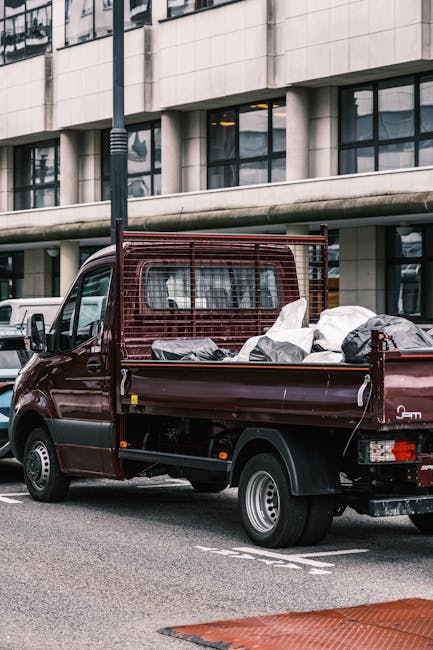
Emergency Rubbish Clearance After a Flat Move in Addiscombe: A Practical Guide for Fast, Stress-Free Clearance
Moving out of a flat is messy enough without discovering a pile of broken boxes, old furniture, garden bits, bagged junk, and the odd thing you forgot was even there. If you need Emergency Rubbish Clearance After a Flat Move in Addiscombe, the pressure is usually simple: the keys are due back, the hallway is narrowing by the minute, and you need the place clear properly, not just tidied in a rush.
This guide explains what emergency rubbish clearance actually involves, how it works in a flat-move situation, what to watch out for in Addiscombe, and how to handle it without making a stressful day worse. We'll also cover sensible compliance points, practical planning, and the kind of small details that make a clearance go smoothly rather than turn into a late-night scramble. Truth be told, that final sweep of an empty flat can feel very different once the clutter is gone.
Table of Contents
- Why Emergency Rubbish Clearance After a Flat Move in Addiscombe Matters
- How Emergency Rubbish Clearance After a Flat Move in Addiscombe Works
- Key Benefits and Practical Advantages
- Who This Is For and When It Makes Sense
- Step-by-Step Guidance
- Expert Tips for Better Results
- Common Mistakes to Avoid
- Tools, Resources and Recommendations
- Law, Compliance, Standards, or Best Practice
- Options, Methods, or Comparison Table
- Case Study or Real-World Example
- Practical Checklist
- Conclusion
- Frequently Asked Questions
Why Emergency Rubbish Clearance After a Flat Move in Addiscombe Matters
Flat moves are rarely tidy from start to finish. In a house, you may have a driveway, a loft, or a garage to sort through. In a flat, especially around Addiscombe where space can be tight, rubbish tends to gather in awkward little clusters: by the front door, on the landing, behind the sofa, under the bed, or in the last cupboard you forgot to check. Suddenly, you're facing more waste than expected and not much time to deal with it.
That matters for a few practical reasons. First, many landlords and letting agents expect the property to be left clear of rubbish, not just vacated. Second, shared stairwells and communal entrances can make even small piles of waste feel like a nuisance very quickly. And third, if you're handing back the flat under time pressure, one delay can cascade into another. A missed clearance can mean a deposit dispute, a last-minute reschedule, or a very awkward call from the agent. Nobody needs that on moving day.
In our experience, emergency clearance becomes most useful when the move has already taken over the whole day and the rubbish is the last thing standing between you and handing back the keys. It's not only about speed. It's about removing the pressure point that keeps everything else stuck.
If you're trying to coordinate other moving tasks too, it can help to look at broader support options such as house clearance in Croydon or more focused flat clearance services in Croydon if the job is bigger than a simple rubbish run. That way, you're matching the service to the actual mess, not guessing and hoping for the best.
How Emergency Rubbish Clearance After a Flat Move in Addiscombe Works
Emergency rubbish clearance is usually a fast-response service designed to remove unwanted items quickly, safely, and with as little disruption as possible. For a flat move, that often means clearing a mix of bagged waste, cardboard, broken household items, old soft furnishings, and loose debris left behind after packing.
The process is usually straightforward, though the detail matters. You describe what needs removing, share access details, explain any time pressure, and the team assesses the likely volume and any special handling needs. For example, a few sacks and flattened boxes are one thing; a wardrobe in pieces, a mattress, and several heavy bags up three flights of stairs is another. Let's face it, stairs change everything.
Good clearance teams will ask sensible questions before they arrive:
- How many items or bags are involved?
- Are there bulky items, fragile materials, or awkward access points?
- Is the flat on a high floor or in a building with limited parking?
- Do any items need special handling, such as electrical waste or paint tins?
- Is the clearance urgent because of a checkout, inventory, or key handover?
On arrival, the team should assess what's there, confirm what will be removed, and get to work without creating extra mess. For a flat move, you want the job done neatly. Door frames, communal hallways, and stairwells deserve a bit of care. A rushed clear-out can be worse than the rubbish itself if it leaves scuffs, spills, or half-open bags everywhere. Not ideal.
Some people also need a broader property reset after moving, especially if there's furniture left behind, clutter in storage spaces, or waste in multiple rooms. In those cases, services like office clearance in Croydon may not be relevant, but a wider clearance approach could be, especially if you're dealing with mixed-use items or a landlord handover that includes storage cupboards, loft spaces, or even a small work area inside the flat.
Key Benefits and Practical Advantages
Emergency clearance is not only about convenience. It can genuinely change the pace and outcome of a move. A clean, emptied flat is easier to inspect, easier to clean, and easier to hand back without a long back-and-forth.
Here are the main benefits people usually notice:
- Time saved: you avoid multiple trips to a tip, charity shop, or storage unit when time is already tight.
- Less physical strain: no dragging heavy bags down stairs after a day of packing and lifting.
- Better handover readiness: the flat is clearer for final cleaning, inventory checks, or checkout photos.
- Reduced stress: the last big unknown is off your list, and that matters more than it sounds.
- Cleaner communal areas: less chance of blocking shared spaces or upsetting neighbours in the building.
There is also a quieter benefit: decision fatigue drops. Once the rubbish is gone, you can focus on the things that actually need your attention, like meter readings, forwarding mail, or checking you haven't left your charger in the kitchen drawer. That tiny shift can feel huge late in the day.
For landlords, letting agents, and tenants alike, a properly handled clearance makes the end of the tenancy smoother. It shows the property has been respected, which can reduce friction even when the move itself has been chaotic. A lot of disputes start with clutter, oddly enough.
Who This Is For and When It Makes Sense
Emergency rubbish clearance after a flat move in Addiscombe is a good fit for people in a few very common situations.
- Tenants moving out at the last minute: if the van is booked and the keys are nearly due back, you may need fast help.
- People who underestimated the waste: the flat looked nearly empty until the cupboards, storage bench, and spare room had their say.
- Landlords or agents preparing a re-let: if the previous occupier has left rubbish behind, fast clearance can restore the flat quickly.
- Home movers dealing with bulky leftovers: old furniture, broken shelving, and flattened packaging can build up fast after a move.
- Anyone with limited access or lifting ability: not everyone can haul heavy items down stairs safely.
It also makes sense when time pressure is only part of the problem. Maybe the flat is on the third floor, parking is awkward, or the items include a mix of household waste and bulky rubbish. In those moments, trying to do it all yourself can be a false economy.
If you are unsure whether the job is small or substantial, compare it with other property clearance needs. For example, a few bags and one broken cabinet may sit within a lighter removal job, while a full flat, garage, or storage overflow may be better served by a more structured garage clearance in Croydon or shed clearance service in Croydon if extra storage spaces have also become cluttered over time.
Step-by-Step Guidance
If you want the quickest route from "mess everywhere" to "flat ready to leave," a simple process helps. The aim is not perfection. It's momentum.
1. Walk the flat room by room
Start with a slow scan of each room, cupboard, and storage area. Look for obvious waste first: bagged rubbish, broken items, cardboard, old clothes, food packaging, and anything left in drawers or behind furniture. You'll usually find more than you expected. That's normal.
2. Separate what must stay from what can go
Keep important documents, keys, cleaning products, valuables, and personal items aside. If something is mixed into a pile, pause before moving it. A rushed clearance can make small losses feel huge, and nobody wants to discover that later when the moving van is already gone.
3. Identify bulky, heavy, or awkward items
Note any items that need extra handling: mattresses, wardrobes, dismantled shelving, broken chairs, washing machines, or heavy bin bags. If there are electrical items, mention them clearly. If there are stairs, steep access points, or no lift, say so. It helps the job go smoothly and reduces the risk of unpleasant surprises.
4. Choose the right type of clearance support
For some moves, a simple rubbish collection is enough. For others, a more complete flat clearance may be the better option. If you're dealing with leftovers across several rooms, a broader property clearance solution in Croydon can be a better fit than trying to describe the job in bits and pieces.
5. Book with clear timing
Emergency work is all about timing. Be specific: "today," "before 3pm," or "before the inventory check." Vague timing causes stress and can slow the handover. If the building has restricted parking or narrow access, mention that early too. It sounds minor, but it often saves real time.
6. Final sweep and handover check
Once the rubbish is removed, do a final walk-through. Check cupboards, under sinks, behind doors, and around the entryway. Open the windows if you can. A cleared flat feels different straight away: less cluttered, less stale, less like a moving day battlefield. Small relief, big difference.
Expert Tips for Better Results
Here's the practical part people often miss. Clearance goes better when you prepare the job, not just the items.
- Keep one clear zone: create a single staging area for rubbish so items are not scattered in every room.
- Label mixed waste: if you have recycling, general waste, and bulky items together, a quick label helps the team move faster.
- Flag fragile or sharp items: glass, broken fittings, or exposed nails need different handling.
- Don't overpack bags: too-heavy bags slow the process and can split on stairs. Been there, regretted that.
- Take photos before the team arrives: useful for your own records, especially if a landlord or agent queries the condition later.
- Check access in advance: parking, intercoms, lift codes, and building entry details all save time on the day.
A small but useful tip: keep a separate "must travel with me" bag for passports, contracts, chargers, medication, and personal papers. In the rush of moving day, those bits vanish into the weirdest places. You do not want to be searching for a phone charger in a half-empty flat at 6:40 in the evening.
If the move has left you with a larger volume than planned, it may be worth looking at a fuller service such as loft clearance in Croydon or, in some cases, tenant clearance support in Croydon where the goal is to leave the property genuinely ready rather than merely less cluttered.
Expert summary: the best emergency clearance is rarely the fastest one in a chaotic sense. It is the one that is prepared, specific, and matched to the actual access, waste type, and deadline. Fast is good. Controlled is better.
Common Mistakes to Avoid
Most clearance problems are avoidable. They usually come from haste, not bad intentions.
Leaving the sort-out until the final hour
If you wait until the van is outside, you are asking a lot from yourself. A quick scan the day before can reveal far more than you think, especially in a flat where storage is hidden in shelves, cupboards, and under-bed spaces.
Assuming everything can go in general waste
Some items need special handling. Electrical waste, paint, batteries, and certain bulky items should not simply be dumped in the nearest bin. If you are unsure, ask before the job starts. It saves trouble later and keeps the clearance more responsible.
Forgetting about communal areas
Hallways and stairwells are part of the picture. If rubbish spills into shared spaces, it can create friction with neighbours or building management. Keep routes clear and avoid leaving bags in the corridor, even temporarily, if you can help it.
Not measuring bulky furniture
Sometimes a sofa is not a rubbish problem until you realise it will not fit round the stair turn. Checking dimensions early can prevent a very awkward morning. A bit of humour helps here, because otherwise it's just a boxy slab of regret.
Mixing keep, donate, and dispose piles
Once everything is in one heap, sorting becomes slower. If you want to keep the process tidy, separate the items as soon as possible. That little bit of order pays you back quickly.
Tools, Resources and Recommendations
You do not need a van full of gadgets to manage this well, but a few simple tools and habits make a real difference.
- Strong bin bags: useful for bagged rubbish, soft furnishings, and general household waste.
- Marker labels: helpful if you are separating keep, donate, recycle, and remove piles.
- Gloves: basic protection for sharp edges, dust, and awkward items.
- Tape measure: handy for bulky furniture that might be too large for stairwells or doors.
- Phone camera: useful for before-and-after records and tenancy handover proof.
- Checklist app or notebook: simple, old-fashioned, and often the best option when moving day gets noisy.
As a recommendation, think in terms of the whole move rather than just the rubbish. If you're clearing a flat, you may also need follow-up help with storage spaces, furniture disposal, or a broader property reset. That is where related services such as rubbish removal in Croydon and flat clearance in Croydon can become practical next steps rather than just extra options on a list.
And yes, if you are exhausted by this point, that's normal. Moving is one of those jobs that looks manageable at 10am and mildly absurd by dinner.
Law, Compliance, Standards, or Best Practice
When rubbish is being removed from a flat, it is worth following basic UK waste-handling best practice. You do not need to become a waste expert, but you do need to avoid casual mistakes that can create problems for you or the property.
In practical terms, that means using a responsible service that handles waste properly, avoids fly-tipping, and separates items where required. If a clearance provider is removing waste from your flat, you should expect them to act professionally and dispose of items through lawful channels. That may sound obvious, but in the real world it is exactly where some people come unstuck.
Be especially careful with items that may need special handling, such as:
- electrical appliances
- batteries
- paint, solvents, or chemicals
- broken glass and sharp materials
- heavy or awkward furniture
If you are a tenant, remember that leaving rubbish behind can affect the handover of the property, and in some cases the landlord or agent may need to arrange further cleaning or clearance. If you are a landlord, clear communication with the outgoing occupier helps avoid delay and confusion. To be fair, a lot of these issues are less about rules and more about common sense, but common sense gets stretched on moving day.
Best practice also includes access care. Shared entrances, lifts, and stairwells should be treated carefully to avoid damage. That matters not only for good manners but for keeping the move smooth and uncontroversial. If you need a more complete understanding of end-of-tenancy clearance support, it can help to compare with a wider tenant clearance service in Croydon or a related end-of-tenancy clearance in Croydon approach when the whole property needs to be left ready.
Options, Methods, or Comparison Table
If you are deciding how to tackle the rubbish after a flat move, compare the main options with a clear head. The right choice usually depends on urgency, volume, and access more than anything else.
| Option | Best for | Pros | Trade-offs |
|---|---|---|---|
| Do it yourself | Small amounts of bagged waste and a few light items | Flexible, direct control, can be low cost if you already have transport | Time-consuming, physically demanding, hard with stairs or bulky items |
| Mixed personal removal | Moderate waste spread over a day or two | Good if you have help and a vehicle | Multiple trips, parking hassle, extra stress near the checkout deadline |
| Emergency clearance service | Urgent, bulky, or awkward rubbish after a flat move | Fast, efficient, less lifting, better for tight deadlines | Usually costs more than doing it yourself, especially for same-day work |
| Full flat clearance | Large volumes, leftover furniture, mixed waste, and property handover | Comprehensive, practical, often the cleanest solution | May be more than you need for a small job |
If you are stuck between two options, ask yourself one honest question: do I need to save money, or do I need to save time and energy right now? Sometimes the answer is obvious. Sometimes not. But the deadline usually decides for you in the end.
Case Study or Real-World Example
A typical Addiscombe flat-move scenario might look like this. A tenant has finished packing after work, the removals van leaves at midday, and the flat is mostly empty. Then the leftover items appear: several bin bags, two broken shelves, an old bedside table, flattened cardboard, a small pile of kitchen clutter, and a mattress that was meant to be replaced weeks ago. The lift in the building is out of action. Of course it is.
The tenant has a checkout appointment the same afternoon. Rather than spending hours making repeated trips downstairs, they arrange emergency rubbish clearance. The key details are shared up front: third-floor flat, no lift, limited roadside parking, and a tight deadline before inspection. The clearance team arrives prepared, removes the waste in one visit, and leaves the flat ready for a final clean.
What changed? Not magic. Just clear information, the right service, and realistic expectations.
That kind of outcome is especially useful in flats because access issues multiply the effort very quickly. A job that looks small on paper can feel much bigger once you add stairs, carrying distance, and a moving deadline. You can almost hear the boxes rustling and the tape gun clicking, then everything gets a bit tense. That's exactly when emergency clearance earns its keep.
Practical Checklist
Use this checklist before booking or carrying out a flat-move rubbish clearance in Addiscombe:
- Walk through every room, cupboard, and storage space.
- Separate personal belongings from items to be removed.
- Identify bulky, heavy, or sharp items.
- Note whether the flat is on a high floor or has lift access.
- Check parking and building entry arrangements.
- Group waste into clear categories where possible.
- Take quick photos for your own records.
- Confirm the timing against checkout, cleaning, or key handover.
- Ask about handling for electrical items or special waste.
- Do a final sweep for overlooked items before the team leaves.
Quick takeaway: the more specific you are at the start, the smoother the clearance will be. That sounds almost too simple, but it really is the trick.
Conclusion
Emergency rubbish clearance after a flat move in Addiscombe is really about regaining control when the moving process has become messy, rushed, and a little overwhelming. If you need the flat cleared fast, the best results come from clear communication, realistic expectations, and a service matched to the actual job.
Whether you are dealing with a few last-minute bags or a bigger pile of bulky leftovers, the right approach can protect your time, reduce stress, and help you hand the flat back properly. And when the room is finally empty, with the echo of your footsteps on the floor and the last bit of clutter gone, it feels like the move has actually finished. That moment matters.
Get a free quote today and see how much you can save.
Frequently Asked Questions
What counts as emergency rubbish clearance after a flat move?
It usually means urgent removal of leftover waste, boxes, furniture, and household junk when you need the flat cleared quickly, often on the same day or at very short notice.
Can emergency clearance help before a tenancy checkout?
Yes. If you are close to the handover deadline, fast rubbish removal can help you leave the property clear and ready for final cleaning or inspection.
What kinds of items are usually removed from a moved-out flat?
Common items include bagged rubbish, cardboard, broken furniture, mattresses, shelving, old clothing, and mixed household clutter. Some services also handle electrical items, though it's worth confirming first.
How do I know if I need a full flat clearance instead of rubbish removal?
If waste is spread through multiple rooms, or if there are large leftover items as well as general rubbish, a full flat clearance may be more practical than a simple collection.
Is it okay to leave rubbish in the communal hallway for a short time?
Usually, no. Shared spaces should stay clear wherever possible. Hallways and stairwells can become a hazard or a nuisance quickly, especially in apartment buildings.
What should I tell the clearance team before they arrive?
Tell them how much waste there is, what types of items need removing, whether there are stairs or a lift, and if parking or access is difficult. Clear details save time on the day.
Can bulky furniture be removed from a flat with no lift?
Yes, in many cases it can, but access matters. If the building has narrow stairs or awkward turns, mention that beforehand so the job can be planned safely.
How should I prepare for fast rubbish clearance?
Group items together if possible, separate anything you want to keep, make access as clear as you can, and confirm timing against your move-out deadline.
What happens to the rubbish after collection?
It should be taken for lawful disposal, reuse, recycling, or appropriate handling depending on the item type. A responsible service should not simply dump it somewhere inappropriate.
Is emergency rubbish clearance more expensive than standard collection?
Often it can be, because urgent response and short-notice scheduling may require more flexibility. The exact cost depends on the volume, access, and timing of the job.
Can I mix recycling, general rubbish, and old furniture in one clearance?
Usually yes, but it helps if you separate items where possible. Mixed loads can still be handled, though the team may need to sort materials afterwards.
What if I only have a small amount of rubbish left after moving?
Even a small amount can be worth clearing fast if you're close to handover. A few bags and a bulky item can still slow down cleaning and inspection.
How far in advance should I book if I know the move is going to be tight?
As early as you can. If you already suspect the move will leave leftover waste, booking ahead helps reduce stress and gives you more options if access is tricky.
Can emergency clearance help landlords dealing with leftover tenant waste?
Yes, especially when a property needs to be made ready for cleaners, decorators, or new occupants. It can save time when a tenant has left rubbish behind after moving out.
When the day is already noisy and half-finished, having one practical plan in place can make all the difference. Start with the rubbish, and the rest of the move tends to breathe a little easier.